
Claude
Anthropic's AI assistant built for long-context analysis, coding, and safe reasoning
FREEMIUM Verified JUL 3, 2026
7 tools ranked · last updated Jul 20, 2026 · how we picked
The best AI tool for startups in 2026 is Claude at $20/month — one subscription covers company reasoning and agentic coding through Claude Code. Cursor is the runner-up at the same $20/month, turning frontier models into an editor that writes and tests across a whole repo. Gamma is the cheapest line item at $9/month for investor decks, and Notion at $10/member/month is the only pick here that scales with headcount rather than sitting flat. All seven tools have a free tier, so a pre-seed team can run the entire stack at $0 before it commits budget to any of it.
Prices last verified Aug 27, 2026 against official pricing pages.
Claude ranks first on the merits, not on breadth of features: its flagship models hold a 200,000-token context window, so a full spec, a competitor’s terms, or a large chunk of your own codebase goes in whole rather than as retrieved fragments, and Claude Code turns that same subscription into an agentic assistant that reads, edits, and executes files in a terminal. For a team of three, that means one tool answers the legal question, drafts the investor update, and refactors the service — jobs a startup would otherwise buy separately. The free tier needs no credit card and resets every 5–8 hours; Pro is $20/month, or $17/month billed annually, for roughly 5x free usage, with Max at $100/month and $200/month above it. Team Standard is $25/seat/month ($20/seat billed annually) and turns off model training on your content by default. Two caveats: usage limits are not stated as fixed message counts, so capacity is hard to predict mid-sprint, and Claude analyses images but cannot generate them.
Cursor is where a venture-backed team’s engineering time actually goes: it is a VS Code fork, so extensions, keybindings, and settings transfer on day one, and its agent mode writes across multiple files, runs the tests, fixes the failures, and hands back a diff to approve. Codebase-wide semantic search means a new hire can ask the editor how a subsystem works before touching it. The Hobby tier is free with limited agent requests, limited Tab completions, and a one-week Pro trial; Pro is $20/month and includes a $20 monthly AI credit pool spent on frontier models, Pro+ is $60/month for 3x that pool, and Ultra is $200/month for continuous background agents. Teams is $40/user/month and adds SSO, shared agent context, and Bugbot pull-request review; annual billing cuts 20% off every plan. Two caveats: the Pro credit pool can run dry mid-month on heavy agentic work, and autonomous edits can introduce subtle bugs across many files at once.
Lovable is the pick for the half of a founding team that cannot open a terminal. You describe the product in chat and it generates a full-stack React and Tailwind app backed by Supabase, renders a live preview, and hosts it — so a commercial co-founder can put a working signup flow in front of design partners this week instead of queueing behind engineering. The generated code syncs to GitHub on paid plans, which matters more than it sounds: your prototype is a real repo your engineers can adopt, not a demo you throw away. The free tier gives 5 daily credits capped at 30 per month with private projects and 5 hosted Lovable subdomains; Pro is $25/month for 100 credits, custom domains, badge removal, and Code Mode. Business is $50/month for SSO and a data-training opt-out. Two caveats: credit cost varies by request complexity, so monthly spend is genuinely unpredictable, and Business charges double Pro for the same 100 credits.
Notion is the cheapest way to avoid buying Confluence, Jira, and a separate AI layer before you have revenue. Its block model lets one workspace hold the spec, the sprint board, the investor CRM, and the onboarding wiki as linked databases, and its Q&A feature answers from that content rather than from training data — which is the difference between a wiki and a wiki anyone uses. The free plan is genuinely unlimited for one person but block-limited the moment a workspace has two or more members, so a real startup is paying from the first hire: Plus is $10/member/month for unlimited uploads, 30-day history, and Slack and Google Drive connections, and Business is $20/member/month for the autonomous Notion Agent, full AI Meeting Notes, Enterprise Search, and SAML SSO. Two caveats: the features founders actually want automated sit behind that $20/member/month tier, and large workspaces get hard to navigate without deliberate structure.
Framer covers the job that blocks a launch more often than the product does: a marketing site the team can change without filing an engineering ticket. It merges a visual canvas, a built-in CMS, and production hosting, so what you design publishes straight to a CDN with no deploy step, and AI layout generation removes the blank-canvas problem for standard pages like pricing and changelog. The free plan includes 1,000 pages, 10 CMS collections, and the AI design tools, but no custom domain — fine for a stealth prototype, not for launch. Basic is $10/month billed annually for a custom domain, 30 pages, 2 CMS collections up to 1,000 items, and 50 GB bandwidth; Pro is $30/month for 150 pages and, more usefully, staging with instant rollback; Scale is $100/month. Two caveats: CMS item limits are low for content-heavy sites, and extra editors cost $20/seat/month, which climbs fast once marketing grows.
Fundraising is a startup-specific job no small-business list needs to solve, and Gamma is the fastest route to a deck that does not look built at 2am. You give it a prompt, a Google Doc, or a URL and it returns a fully designed presentation — layout, images, and transitions — usually in under two minutes, then lets you edit blocks without spending credits. The Gamma Agent can restyle an entire deck from uploaded brand guidelines, which is how one memo becomes a pitch deck and a customer one-pager in the same afternoon. The free tier grants 400 one-time AI credits, roughly 10–15 decks, with a watermark on exports; Plus is $9/month for 1,000 credits monthly and watermark removal, Pro is $18/month for 4,000 credits plus API access and custom domains, and Team is $20/seat/month with a 2-seat minimum. Two caveats: free credits never refresh, and there is no offline mode — a bad property for a live pitch on conference wifi.
Zapier is the pick for the fifty small handoffs a startup cannot justify a hire for: a Stripe payment creating an invoice, a demo request landing in the CRM and Slack at once, a churn signal opening a task. It connects over 7,000 apps through trigger-action Zaps built in a no-code editor, and Zapier MCP exposes that whole network to assistants like Claude, which effectively gives your AI tools permission to act inside your business software rather than just describe what to do. The free tier is 100 tasks per month, two-step Zaps only, on a 15-minute polling interval — an evaluation sandbox, not production. Professional is $19.99/month for 750 tasks, multi-step Zaps with filters and paths, and 2-minute polling; Team is $69.50/month for 2,000 tasks and up to 25 users. Two caveats: bills escalate quickly with task volume, and Make or n8n offer more complex logic for less.
We ranked for the early-stage team’s actual constraint, which is not feature depth but cost per seat against speed to ship — so every pick had to own one job outright, carry a free or sub-$25 entry tier, and avoid duplicating another tool on the list. That is why there is one coding editor and not three, and why tools that only make sense once you have a marketing department or a support queue were left out in favour of ones that pay for themselves in a founder’s first month. We weighted a real free tier heavily, since a pre-seed team should be able to test the whole stack before spending anything, and we discounted per-seat pricing that punishes hiring. Where a cheap headline price required an annual prepay or a credit pool that can run dry, we said so rather than quoting the best-case number. Pricing was verified on July 20 2026 against each product’s official pricing page; no tool paid or provided incentives to appear.
Anthropic's AI assistant built for long-context analysis, coding, and safe reasoning
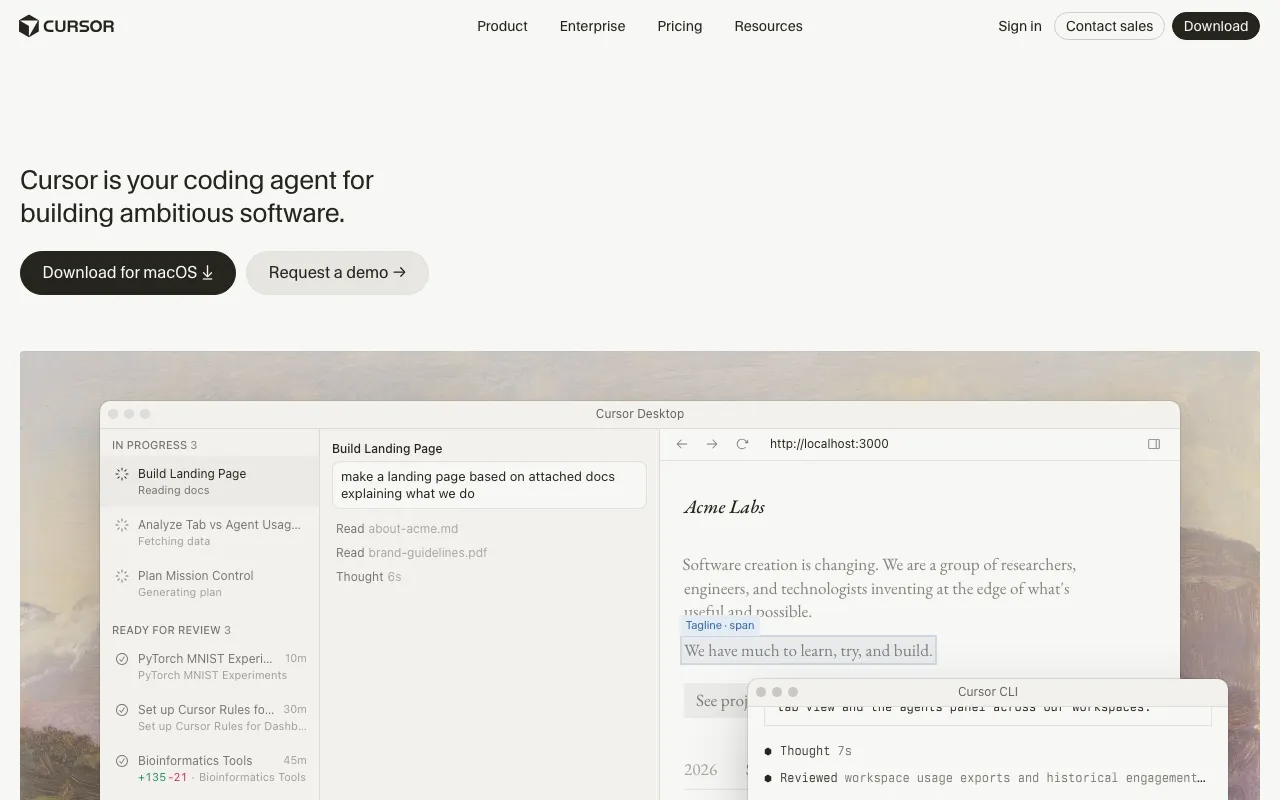
AI-native code editor that runs autonomous agents to build, test, and review code
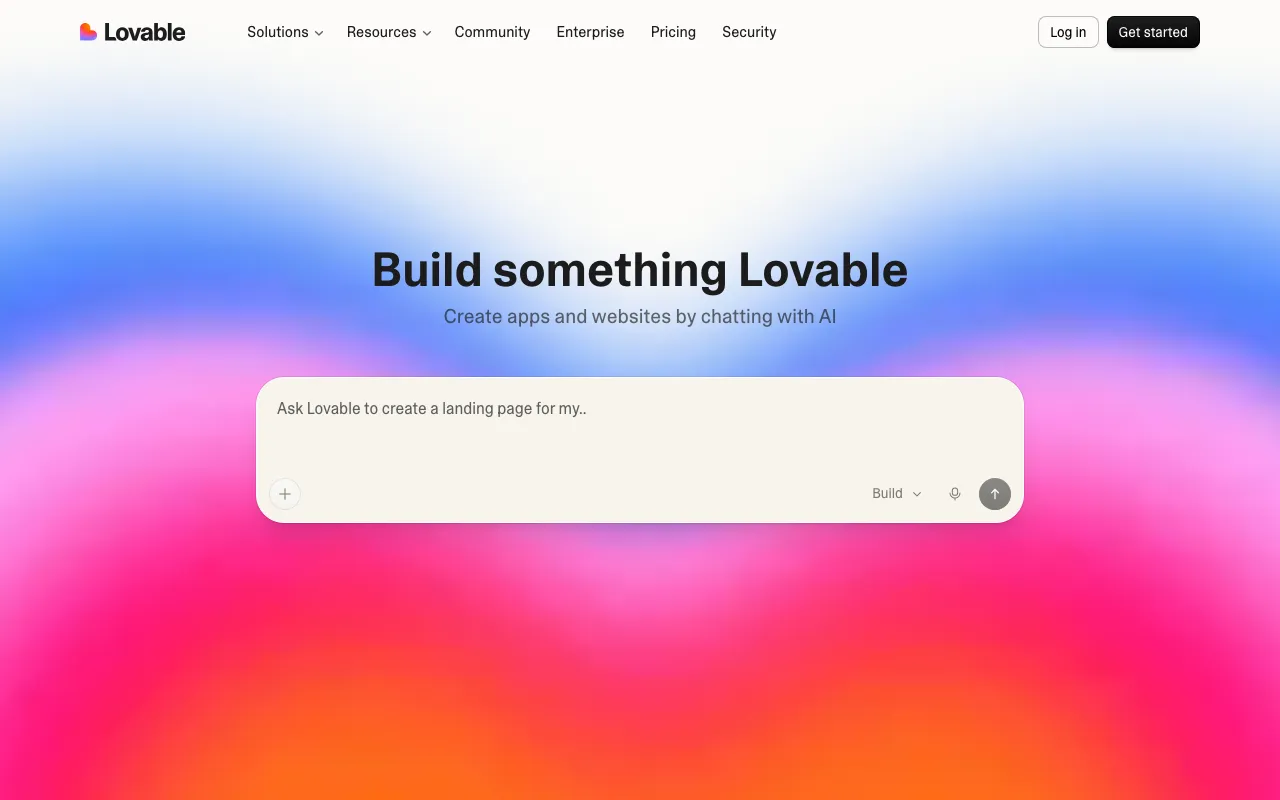
AI app builder that turns text prompts into deployable web apps and SaaS products
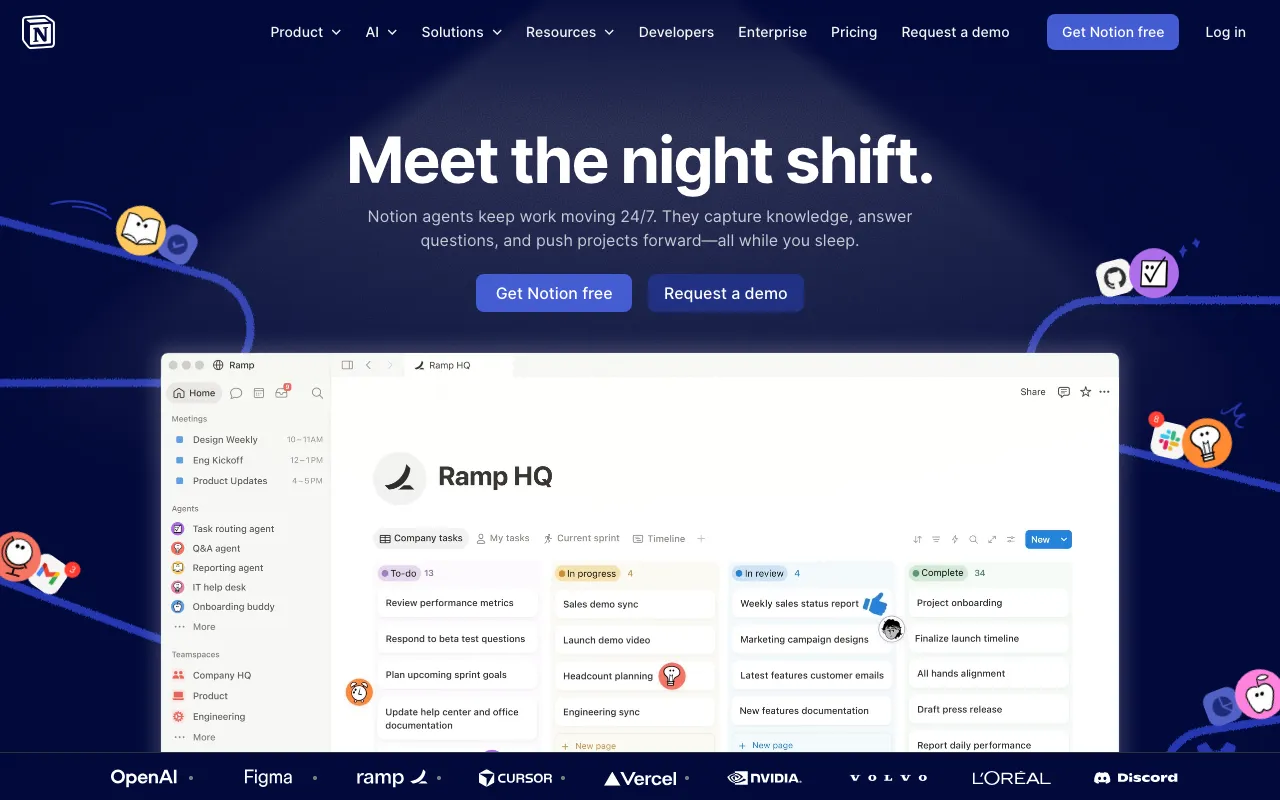
AI workspace combining docs, databases, projects, and autonomous agents in one platform
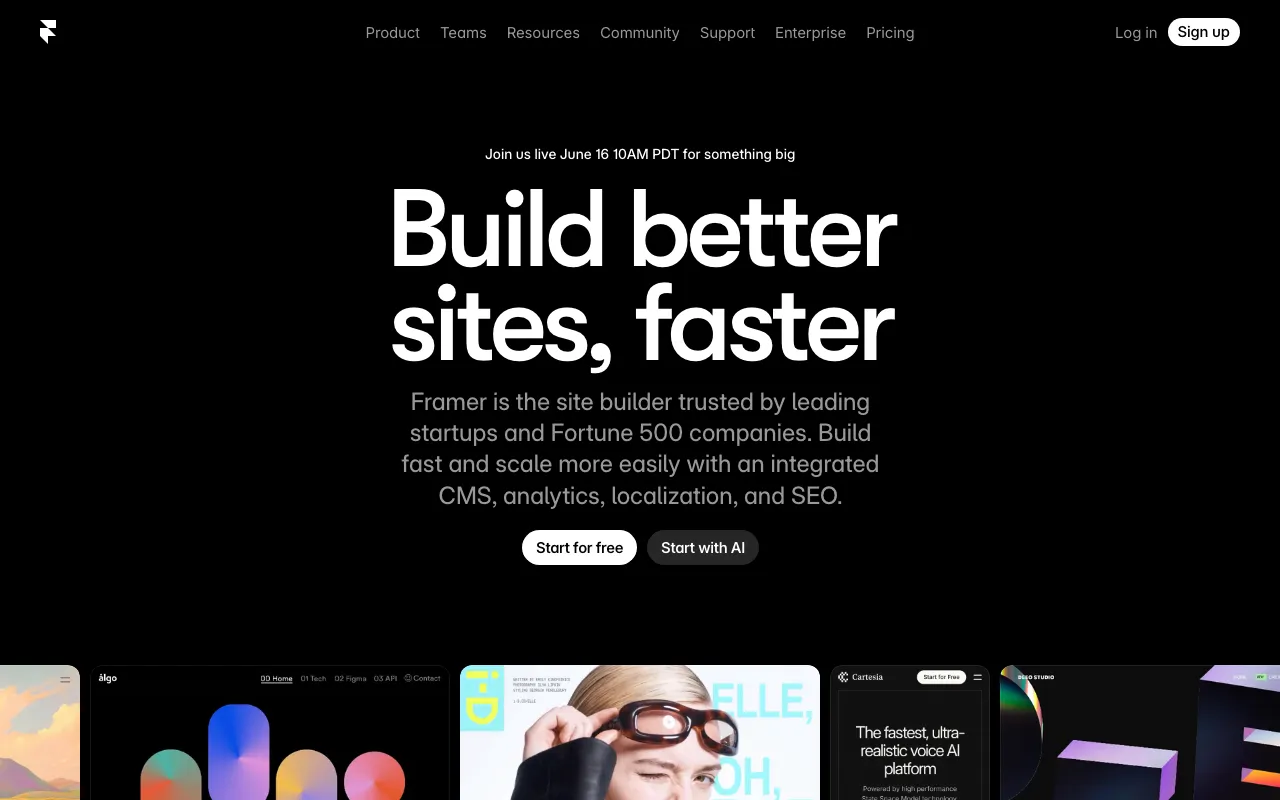
No-code website builder with AI design generation and built-in CMS, hosting and analytics
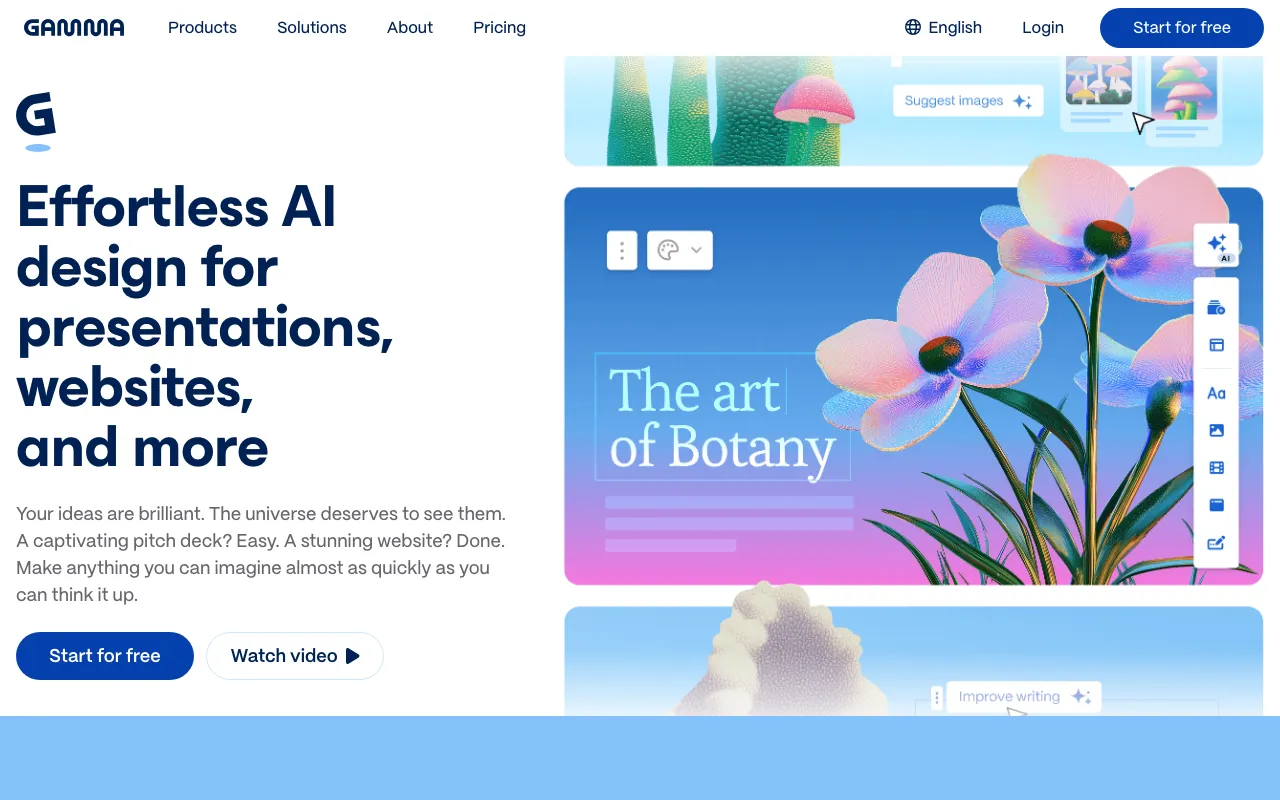
AI presentation and document builder that generates slides, docs and web pages from a prompt
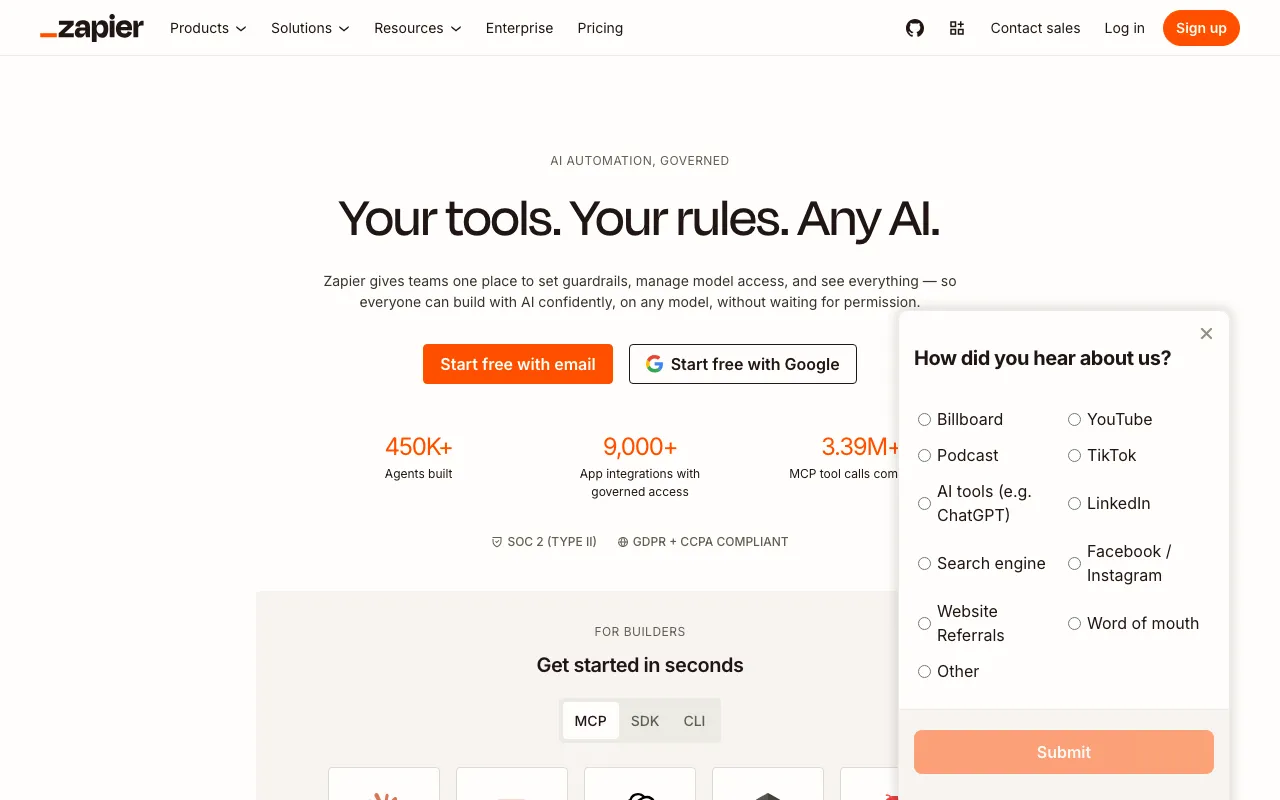
No-code automation platform that connects 7,000+ apps to build multi-step workflows without writing code
Every tool in this list has a full profile in our directory with pricing verified against its official pricing page on the date shown on its stamp. Ranking reflects verified pricing, free-tier generosity, platform coverage, and documented capabilities — not sponsorships. Nobody can pay to appear here. Read the full methodology.
Yes — 7 of the 7 tools here have a free tier: Claude, Cursor, Lovable, Notion, Framer, Gamma, Zapier. Pricing verified Jul 20, 2026.
Gamma has the lowest verified monthly starting price in this list at $9/mo, checked against its official pricing page on Aug 27, 2026.
5 of the 7 tools list an API: Claude, Lovable, Notion, Gamma, Zapier.