Perplexity
AI-powered answer engine that searches the live web and cites every source
FREEMIUM Verified JUN 11, 2026
7 tools ranked · last updated Jul 3, 2026 · how we picked
The best AI research tool in 2026 is Perplexity, the answer engine that pairs live web search with LLM synthesis and links every claim to a source; Pro is $20/month. For grounded research over your own documents, NotebookLM is the cheapest capable pick at $7.99/month, and the best free option is Consensus, which searches 200M+ peer-reviewed papers at no cost.
Prices last verified Jul 3, 2026 against official pricing pages.
Perplexity is the definitive general answer engine in 2026, merging real-time web search with LLM synthesis to return direct, readable answers where every claim links back to its source. Pro is $20/month and lifts the free tier’s cap of roughly five Pro Searches a day, adds file uploads and model choice, and unlocks Deep Research for multi-step questions that chain many searches into a single report. It suits anyone who wants a sourced answer rather than a list of blue links — analysts, journalists, students, and curious generalists — and there’s a Sonar API for developers. The honest caveat: the free tier’s five daily Pro Searches are exhausted quickly if you rely on them, and this profile carries the lowest pricing-verification confidence in the set, so confirm the current Pro terms before subscribing.
NotebookLM flips the usual model: instead of searching the open web, it reasons only over sources you upload — PDFs, docs, slides, links — and answers with inline citations pointing to the exact passage, which makes it far harder to hallucinate. It’s the cheapest paid entry here at $7.99/month (through Google AI Plus), but the free tier is remarkably capable on its own: 100 notebooks, 50 sources each, 50 chats a day, and its standout Audio Overview feature that turns your documents into a podcast-style discussion. It fits researchers, students, and analysts synthesizing a fixed corpus rather than trawling the web. The caveat: NotebookLM can’t be bought as a standalone product — it’s bundled into Google AI and Workspace plans — and it’s locked to Google’s Gemini models, so there’s no option to swap in a different LLM.
Consensus is an academic search engine that runs your question across 200M+ peer-reviewed papers and summarizes what the literature actually concludes, including a “Consensus Meter” that compresses hundreds of studies into a yes/no/possibly signal. Pro is $10/month on annual billing ($15 monthly), and the free tier is unusually open: unlimited paper searches, plus a monthly allowance of Deep Searches, study snapshots, and Pro AI messages. It suits students, clinicians, and evidence-minded generalists who want to know whether a claim is supported before citing it. The honest caveat: there’s no API, and the jump from the $15 Pro tier to the $65/month Deep tier is steep, so the heaviest research features sit well above the entry price. Treat its summaries as a starting map of the evidence, not a substitute for reading the key papers.
Elicit is built for rigorous research workflows rather than quick answers: it can screen up to 5,000 papers against your criteria, extract structured data into comparison tables, and generate reports with sentence-level citations, mirroring the steps of a manual systematic review. Pro is $49/month and it carries the highest pricing-verification confidence in this list. The free tier gives unlimited search over 138M papers, unlimited summaries and paper chat, and two reports a month. It’s aimed squarely at academics, evidence-synthesis teams, and researchers who need auditable, traceable output. The honest caveat: two reports a month on the free tier is limiting for real projects, and at $49/month Elicit is the most expensive tool here by a wide margin — it’s overkill for casual research and only earns its price if structured, citable screening is central to your work.
SciSpace (formerly Typeset) pairs a chat-with-PDF assistant with literature review across 280M+ papers and a set of writing tools — paraphrasing, citation extraction, and a Deep Review mode — making it a broad academic all-rounder. Premium is $12/month on annual billing (around $20 billed monthly), and it has the freshest pricing verification in this list. The free tier offers a limited allowance of Copilot queries, basic literature review, citation extraction, and PDF highlighting. It fits students and researchers who want to interrogate individual papers and draft around them in one place rather than juggling separate tools. The honest caveat: the advertised $12 rate requires annual prepayment, and like any AI reading assistant it can over-interpret or misstate a paper’s findings, so its answers need checking against the source before you rely on them.
Felo AI is a capable general answer engine that undercuts Perplexity on price while adding genuinely useful multilingual search — it can pull and summarize sources across 25+ languages, which is a real differentiator for cross-language research. Pro is $14.99/month, and the free tier is one of the more usable here: 200 credits a day, unlimited basic search, a handful of pro searches and a daily Research run, plus creation tools like Slides and LiveDoc that turn findings into shareable output. It suits multilingual researchers, students on a budget, and anyone who wants Perplexity-style answers for less. The honest caveat: Pro is capped at 15,000 credits per cycle, which restricts genuinely heavy users, and there’s no API, so Felo stays a consumer product rather than something you can build on.
Exa is the builder’s pick: an AI-native search API that returns semantically relevant results with content extraction, highlights, and structured JSON, purpose-made for agents and retrieval-augmented generation rather than human browsing. Pricing is usage-based from $0, with search billed around $7 per 1,000 queries and a large free allowance of up to 20,000 requests a month, plus startup and education credits. It suits developers building research agents, RAG pipelines, and any app that needs grounded, citable web context. The honest caveat: Exa is infrastructure, not a consumer research tool — there’s no chat window to sit in — and its prices rose in early 2026 (search moved from $5 to $7 per 1,000), with add-ons like Websets jumping from $49 to $449, so model your usage before committing.
We ranked these seven to span the real research jobs: fast cited answers from the live web, grounded work over your own documents, evidence-backed and systematic academic search, chat-with-paper writing help, multilingual answers, and developer-facing search infrastructure. Ranking reflects capability, verified-pricing value, and free-tier generosity for each job — not popularity — and no tool paid or could pay to appear. Prices were verified against each tool’s profile between June 11 and June 28 2026; Perplexity carries the lowest verification confidence here, so reconfirm its Pro terms before you subscribe.
AI-powered answer engine that searches the live web and cites every source
Google's AI research assistant that answers questions grounded in your own uploaded sources
AI search engine for peer-reviewed research across 200M+ scientific papers
AI research assistant that searches, summarizes and extracts data from 138 million academic papers
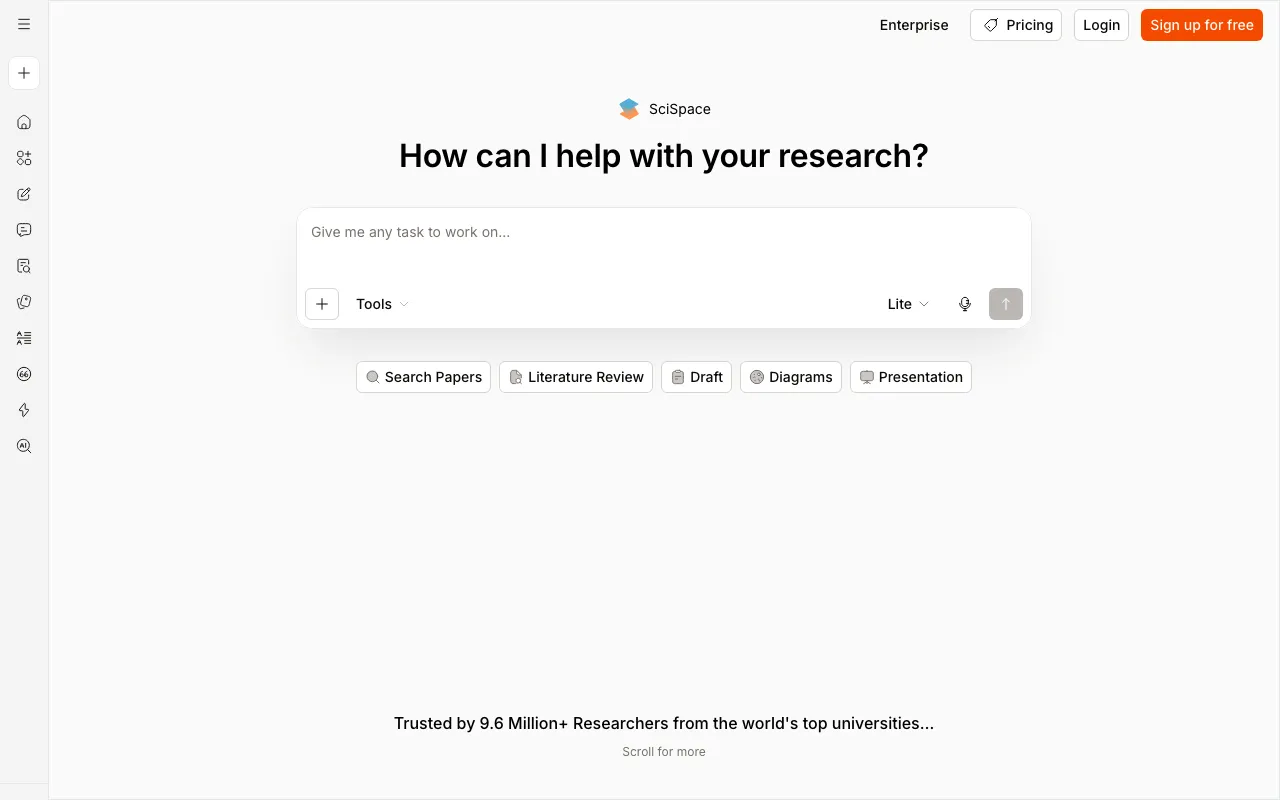
AI research assistant (formerly Typeset) to chat with PDFs, run literature reviews across 280M+ papers, and synthesize findings
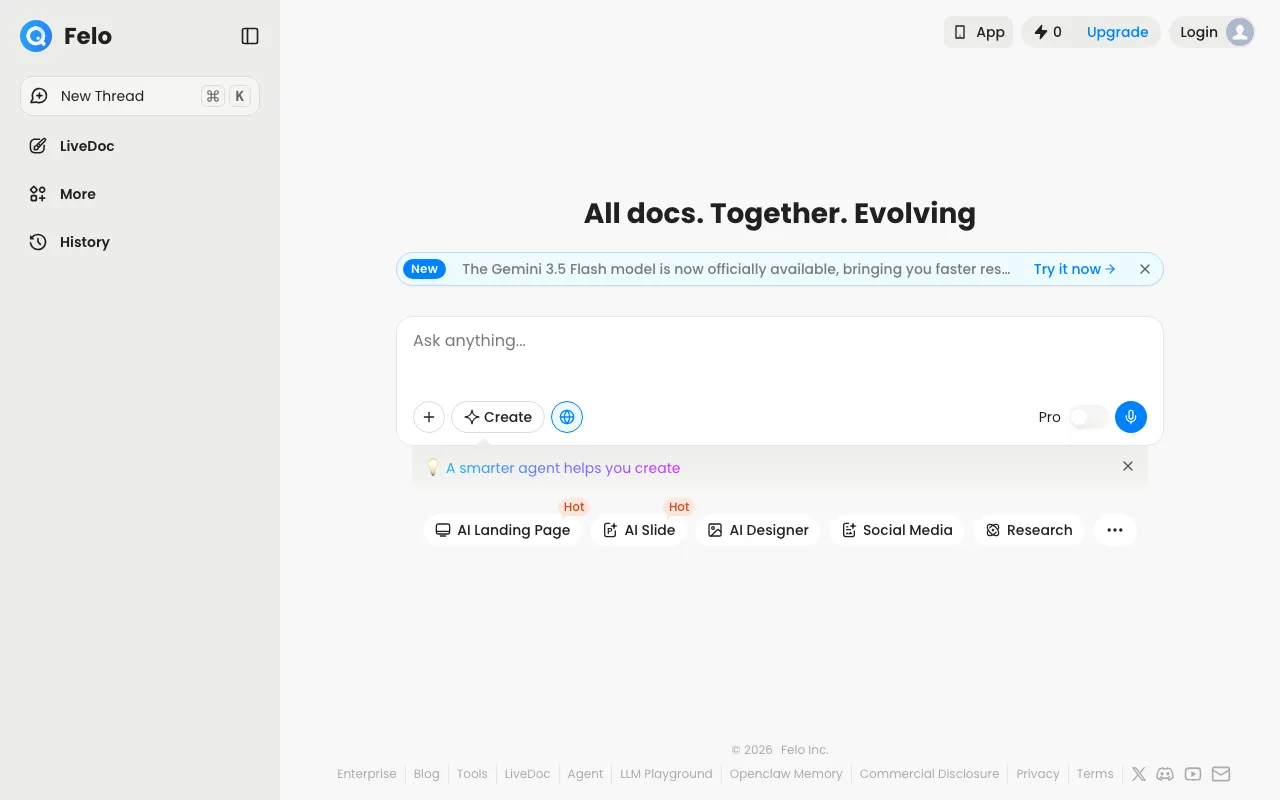
Multilingual AI search and creation platform combining research, summarization and content generation
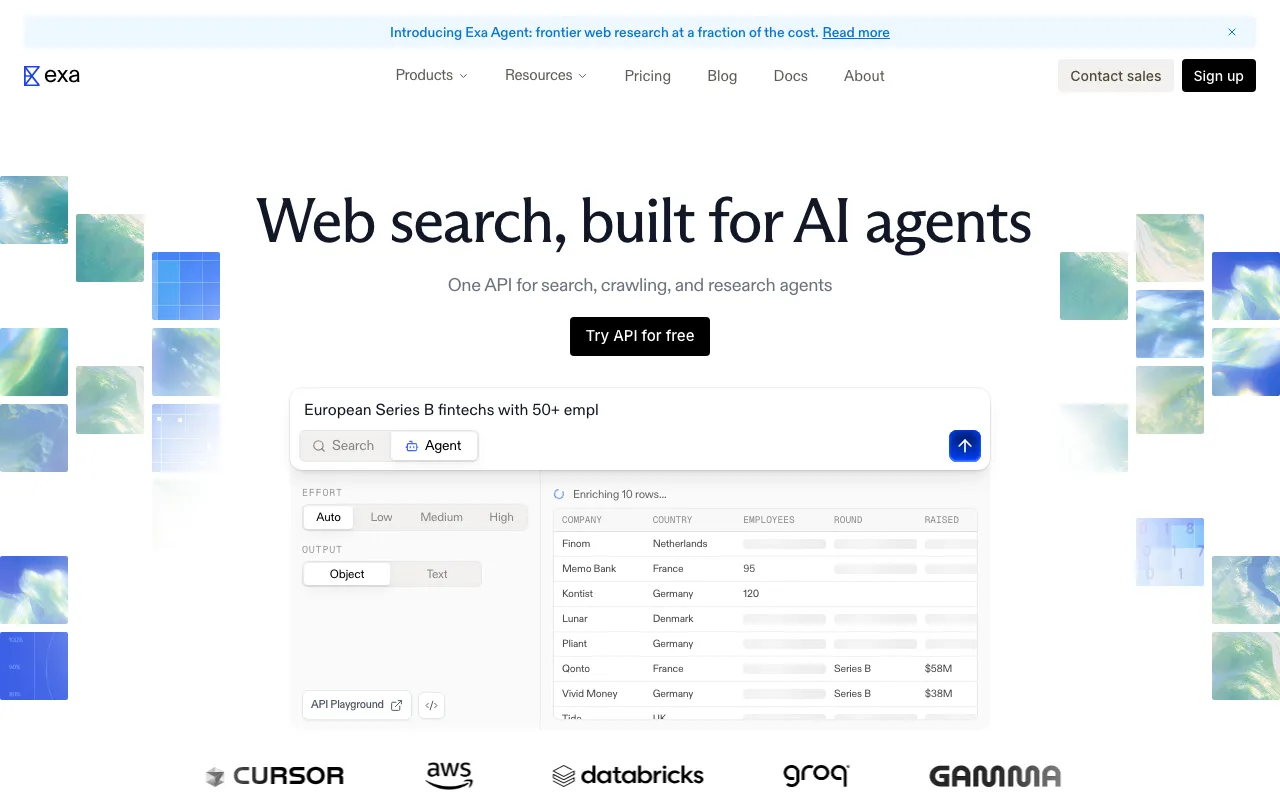
AI-native web search engine and API built for agents, with semantic search and content extraction
Every tool in this list has a full profile in our directory with pricing verified against its official pricing page on the date shown on its stamp. Ranking reflects verified pricing, free-tier generosity, platform coverage, and documented capabilities — not sponsorships. Nobody can pay to appear here. Read the full methodology.
Yes — 7 of the 7 tools here have a free tier: Perplexity, NotebookLM, Consensus, Elicit, SciSpace, Felo AI, Exa. Pricing verified Jul 3, 2026.
NotebookLM has the lowest verified monthly starting price in this list at $7.99/mo, checked against its official pricing page on Jun 11, 2026.
3 of the 7 tools list an API: Perplexity, Elicit, Exa.